Diastasis Recti
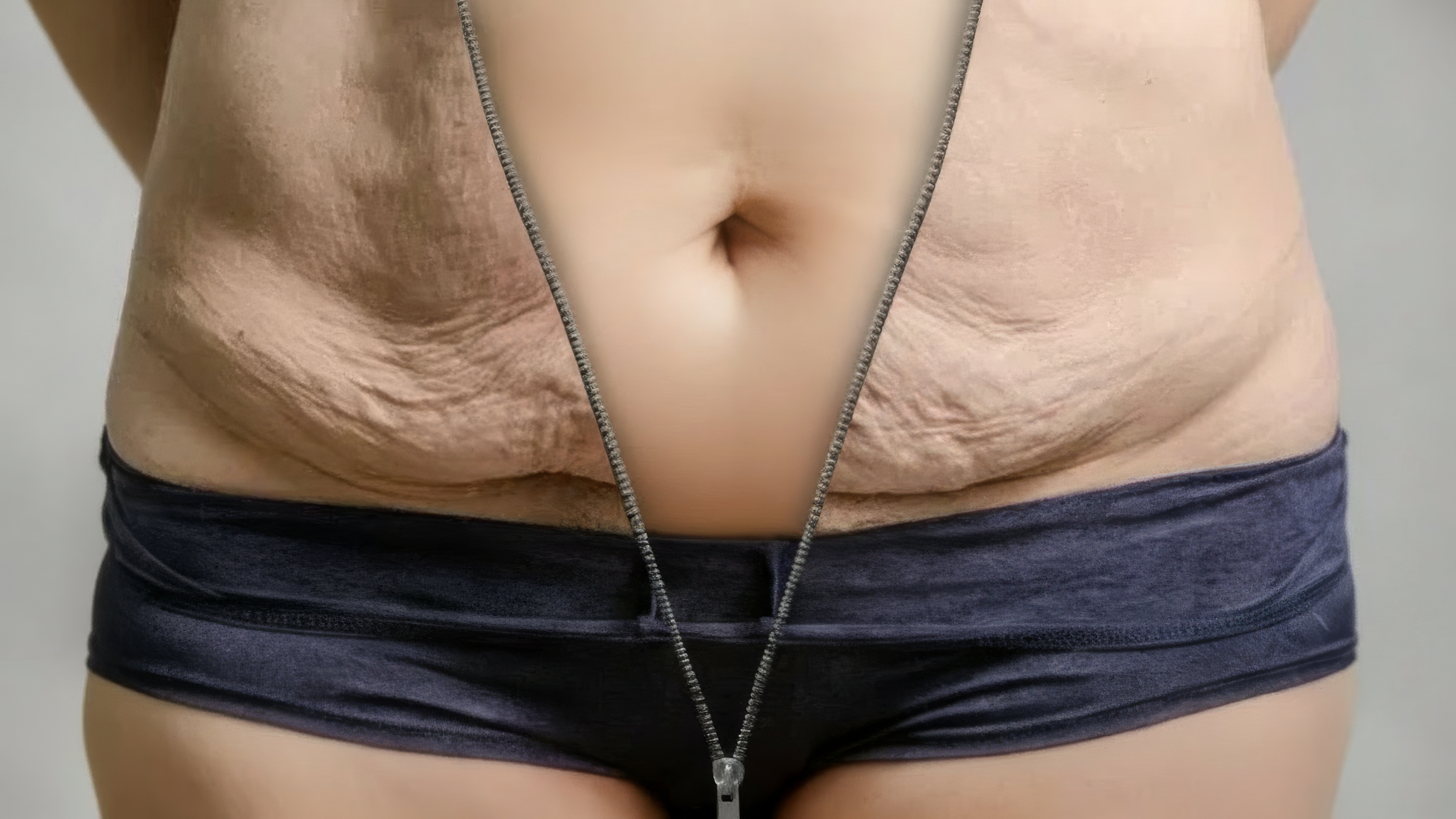
Diastasis recti happens when the connective tissue (fascia) that supports your abdominal muscles stretches and thins, and doesn’t fully tighten back to its original position. As a result, the abdominal wall can lose support and appear more prominent, often leading to a persistent belly bulge and a wider-looking waistline.
Diastasis Recti: Why It Happens, How Common It Is, and What You Can Do
Diastasis recti (also called abdominal separation) is common after pregnancy and can also occur after massive weight loss in both women and men. If you've noticed a persistent belly bulge, "doming " when you sit up, or a core that feels weaker than it used to, you may be dealing with diastasis recti.
Below, we'll explain what diastasis recti is, why it happens, how common it is, why exercise doesn't always fully fix it, what treatments can help, and what to know about insurance coverage.
What is diastasis recti?
Diastasis recti is a separation (widening) of the right and left "six-pack" muscles (the rectus abdominis) along the midline of the abdomen. That midline is a band of connective tissue called the linea alba. When it stretches and thins, the muscles drift apart and the core can feel weaker or less supported.
It's important to know: a small amount of midline width is normal. Everyone has a linea alba, and it naturally has some give. Diastasis becomes a diagnosis when the separation is wide enough and/or symptomatic enough to contribute to issues like:
Abdominal "doming " or coning with movement
A persistent belly bulge (especially after pregnancy or weight loss)
Core weakness or instability
Back discomfort in some patients
What causes diastasis recti in women?
Pregnancy (most common)
During pregnancy, the abdomen expands to make room for the growing baby. Hormonal changes can also soften connective tissue. Together, this can stretch the linea alba and create separation.
After major weight changes
Significant weight gain and then loss can stretch the abdominal wall and leave the connective tissue lax, similar to what happens with pregnancy.
What causes diastasis recti in men?
Men can develop diastasis recti too. The most common driver is massive weight gain and/or massive weight loss, which stretches the abdominal wall and can thin the connective tissue.
In some cases, chronic increased abdominal pressure (for example, longstanding central weight gain) may contribute.
How common is diastasis recti?
Diastasis recti is very common, especially after pregnancy.
In postpartum women, studies commonly report diastasis in a substantial percentage of patients early after delivery, and it can persist for many months.
In people who have experienced massive weight loss, diastasis and abdominal wall laxity are also common because the connective tissue has been stretched for a long period of time.
Because measurement methods differ (fingerbreadths vs ultrasound, where on the abdomen it's measured, and what cutoff defines "diastasis"), there isn't one single "perfect" prevalence number. The key takeaway is: you're not alone, and it's not a sign you did something wrong.
Can exercise fix diastasis recti?
Targeted core rehab can be very helpful for function and appearance, but there's a limit to what exercise can do.
Muscle can get stronger, and improved coordination can reduce bulging/doming.
But connective tissue doesn't always fully tighten back to its original state, especially after significant stretching (pregnancy, twins, multiple pregnancies, or major weight changes).
That's why some people do "everything right " and still have a persistent separation or bulge.
How is diastasis recti diagnosed?
Diagnosis is typically made with a physical exam, and sometimes confirmed or measured with imaging (often ultrasound). Your provider may evaluate:
Width and location of the separation (above/below the belly button)
Tissue quality (how thin or firm the linea alba feels)
Functional issues (doming, weakness, back pain)
Whether a true hernia is also present (a different diagnosis)
Treatment options for diastasis recti
1) Core-focused physical therapy
Often the first step, especially postpartum. A structured program may include:
Deep core activation (transverse abdominis)
Breathing mechanics and pelvic floor coordination
Safe strengthening progressions (and avoiding moves that worsen doming)
2) Lifestyle and pressure management
For some patients, reducing chronic abdominal pressure can help symptoms:
Address constipation/straining
Optimize breathing and lifting mechanics
Manage central weight gain where possible
3) Surgical repair (when appropriate)
When diastasis is persistent and symptomatic or when it's paired with significant loose skin after pregnancy or massive weight loss surgery may be considered.
Surgical options can include:
Abdominal wall plication (tightening the midline with sutures)
Abdominoplasty ( tummy tuck ) when excess skin and contour concerns are also present
Hernia repair if a true hernia is diagnosed (this is separate from diastasis)
A consultation with a board-certified plastic surgeon can help clarify whether surgery is likely to improve your goals, and what approach makes the most sense for your anatomy.
Diastasis recti and insurance coverage
This is a common point of confusion.
Diastasis recti is a diagnosis, but it is not automatically considered an indication as a medically necessary condition treated/covered by insurance.
In many plans, repair of diastasis alone is considered cosmetic and is not covered.
Insurance coverage is more commonly tied to diagnoses like a true hernia or other specific, documented medical indications that meet the insurer'5s criteria.
In other words: having diastasis recti does not guarantee insurance approval for surgery.
Next steps
If you suspect diastasis recti whether after pregnancy, after massive weight loss, or simply because your core doesn't feel the way it used to start with an evaluation. We can help confirm what's going on, discuss non-surgical options, and explain when surgical repair may be worth considering.
Disclaimer: This article is for educational purposes and is not medical advice. A consultation and exam are the best way to diagnose diastasis recti and review treatment options for your specific anatomy and goals.







Is this procedure right for me?
Many women are diagnosed with Diastasis Recti as a condition post massive weight loss and post pregnancy. If you are interested in correcting this condition and find that diet and exercise have not gotten you to your goal, then surgical intervention (a tummy tuck) may be the next appropriate step. A thorough consultation with Dr. Capuano or Dr. Marchese is important to determine whether this procedure is right for you.
FAQs
Related Procedures

Body Contouring
The process of removing unwanted fat from stubborn areas of the body to improve the contour or shape of one's body.

Component Separation & Complex Abdominal Wall Reconstruction
Component separation is an advanced abdominal wall reconstruction technique used when a large, recurrent or complex hernia cannot be adequately addressed with a routine repair alone.

Mommy Makeover in Bergen County, NJ
A "Mommy Makeover" is a set of cosmetic procedures aimed at restoring a woman's body post-pregnancy.