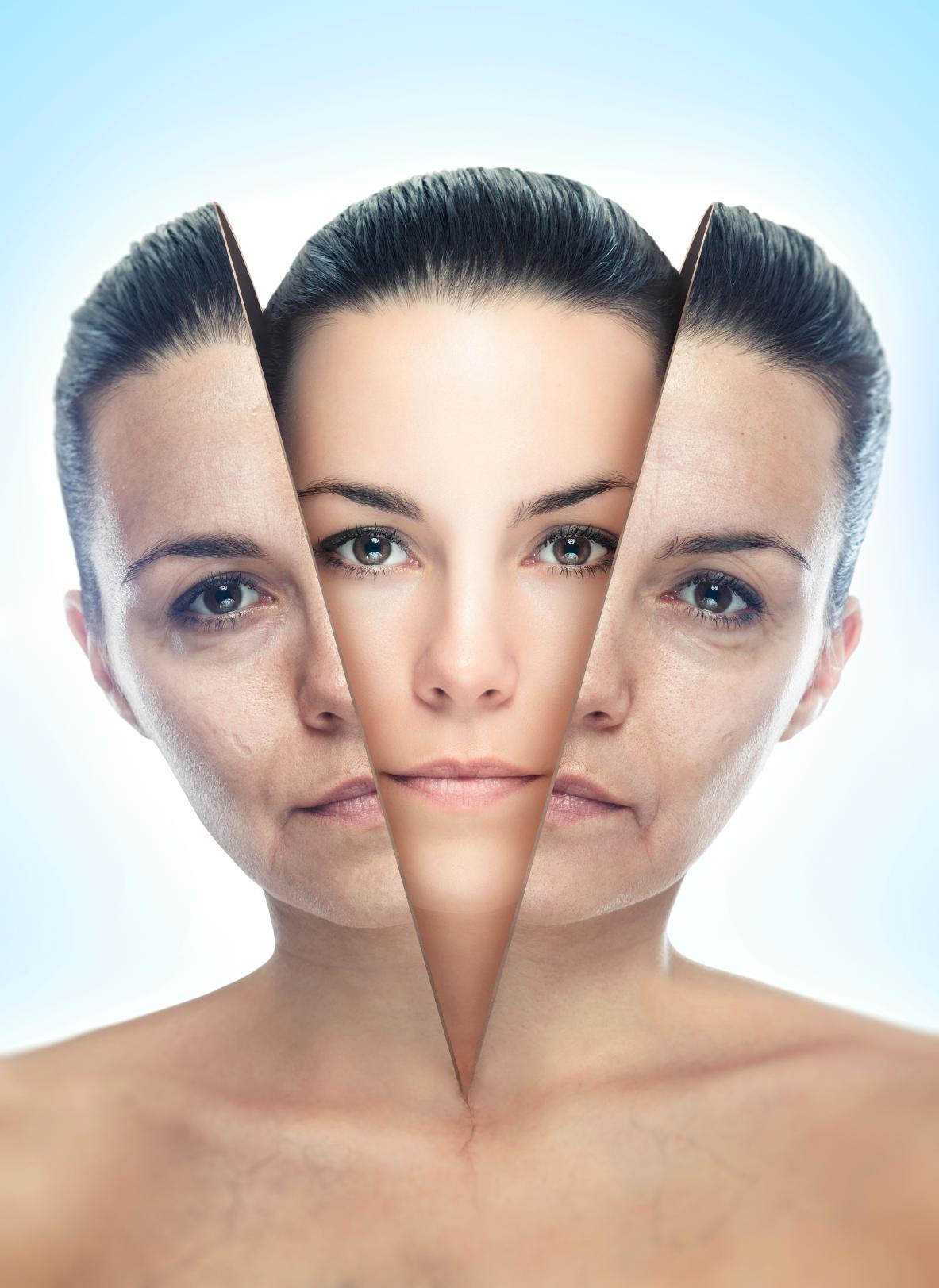
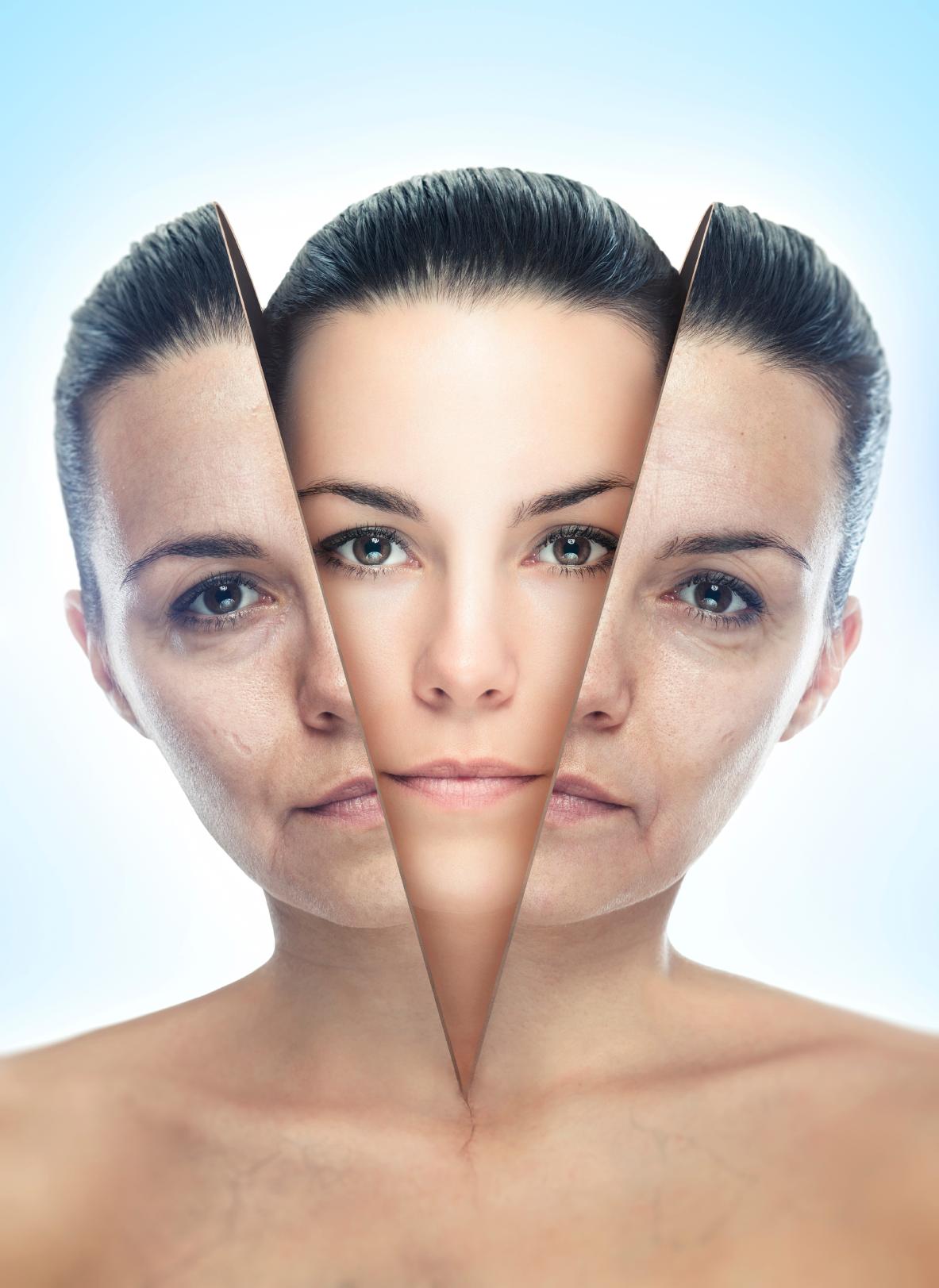
A thorough consultation with Dr. Capuano will help decide whether or not you are a suitable candidate for a facelift surgery. Typical signs of beinga good candidate include individuals with loose skin, excess skin, or deep creases around the nose and mouth. When it comes to determining if you're a good candidate, age isn't the most important thing to consider. Instead, it's all about your skin's elasticity and bone structure that play a key role in the decision.What a Facelift Can Address
A facelift is generally used to improve visible aging in the lower face and, depending on the plan, the neck. It may be considered for concerns such as:
• Jowls or loss of jawline definition
• Loose skin and descended soft tissue in the lower face
• Laxity beneath the chin or in the neck
• A facial appearance that looks more tired or aged than the patient feels
A facelift does not automatically correct brow position, upper- or lower-eyelid concerns, surface pigmentation, fine etched lines or every form of facial volume loss. Those concerns may require separate or complementary treatment.
How Facelift Surgery Works
Facelift incisions are generally planned around the hairline and natural contours near the ear. Depending on the operation, an additional incision may be placed beneath the chin. Through these incisions, the surgeon repositions selected deeper facial and neck tissues, addresses excess or displaced fat when appropriate and redrapes the skin without relying on skin tension alone.
The exact tissue layer and technique are chosen for the patient's anatomy and the areas being treated. Terms such as SMAS facelift and deep-plane facelift refer to different ways of working with deeper facial tissues, but a technique name by itself does not determine whether an operation is appropriate or whether the result will look natural.
Dr. Capuano’s goals with facelift surgery, regardless of the technique chosen, are to reposition deeper fascial tissues in the appropriate vectors, to use deep plane release where necessary to mobilize fixed descended tissue, to elevate the SMAS muscle and fascia to restore the lower face and to provide support to the jawline, to re-drape the skin after deeper structures have been repositioned, rather than using the skin tension to create the lift; and to restore lost volume selectively with fat grafting where appropriate.
Full Facelift Versus Mini Facelift Versus Hybrid facelift
A mini facelift generally uses a more limited incision and addresses a smaller degree or distribution of lower-face laxity. At NCPS, Dr. Capuano performs a mini facelift differently. He uses a minimally invasive vector based technique in which he gains access through discrete incisions in the temporal hairline and behind the ear lobes, and elevates and repositions the SMAS fascia towards the temple and the platysma towards the earlobe. The lifting strength comes from repositioning the deeper fascial tissues rather than from pulling on skin. There is no skin excision in the mini facelift technique, so it is very different from simply performing a traditional facelift through a shorter incision. By contrast, a traditional or comprehensive facelift is better suited to patients with more significant jowling, broader lower facial descent, more extensive platysmal and neck changes and significant excess skin. The traditional facelift provides broader access to the lower face and neck when aging changes are more extensive, and can address skin excess in addition to fascial laxity. Our hybrid facelift slots half way in-between these two operations. It combines the deeper minimally invasive vector based fascial elevation techniques of our mini facelift with lateral SMAS plication in front of the ear along the lower face and a short scar skin incision. It is ideal for the patient who is not quite ready for a traditional facelift and wants shorter incisions, less dissection and less downtime. The difference should be based on anatomy and treatment goals, not a fixed age cutoff.
A shorter incision does not automatically mean a better choice, invisible scar or easier result. If a limited operation cannot reach the tissues causing the concern, the change may be incomplete. Conversely, a patient with early or localized laxity may not need a more extensive operation.
Facelift and Neck Lift Planning
The lower face, jawline and neck are visually connected so treatment planning can consider these areas together. Depending on the extend of laxity, a facelift may address portions of the upper neck, or may be combined with a more defined neck-lift procedure. The plan may address loose skin, the platysma muscle and selected fat beneath the chin or along the jawline.
For patients with mild fascial laxity and minimal excess skin, the mini facelift and mini neck lift uses small incisions concealed within the temporal hair and behind the ear lobes. Through these small incisions, the deeper fascia can be elevated and repositioned to improve laxity of the cheek, midface, and neck. Because the incisions remain off the visible face, facial skin cannot be excised with this approach. Jowls may improve to some degree as the deeper lateral cheek tissues are elevated, but correction of significant jowling is not the primary purpose of this procedure.
The hybrid facelift combines the minimally invasive tightening of the deeper muscle and fascial layers with a limited direct fascial tightening in the area of the lower cheek and neck and a limited skin-excision pattern around the ears. This allows greater correction of lower-face and jawline laxity than the mini facelift while avoiding the more extensive skin dissection and excision used in a traditional facelift.
At the more extensive end of the treatment spectrum is the traditional facelift, which is designed to address patients with greater skin and soft-tissue laxity and provides broader treatment of the face and neck, including the jowl area, lateral cheek, jawline, and loose skin of the neck.
A facelift cannot change every cause of neck fullness or loss of definition. Skin laxity, muscle position, fat, salivary glands, bone structure and other anatomy can each influence the contour of the neck and jawline. Dr. Capuano will identify which structures are contributing to the patient’s concerns, and which can reasonably be treated and which limitations will remain.
Facelift Versus Laser Lift, Fillers and Other Nonsurgical Options
At NCPS, our Laser Lift is a specific combination of ablative and subablative laser energy designed to resurface and tighten the skin of the face. This can also be combined with soft tissue fillers including biostimulatory fillers or hyaluronic acid fillers to improve or smooth the underlying contour. Laser resurfacing and energy-based treatment may improve skin texture, fine lines or a limited degree of tightening. The treatment is particularly well suited to treating fine lines and wrinkles in the perioral and lower eyelid regions, and provides some subtle cheek and neck tightening. Fillers may restore selected areas of volume. Neuromodulators can soften expression-related lines. These treatments address different structures and cannot remove or reposition the same amount of descended tissue as surgery.
So laser lifts and fillers address skin quality and volume related aspects of aging, while surgical facelift and minifacelifts physically reposition descended deeper tissues. For some patients, a nonsurgical treatment is the right match for the current concern or desired recovery. For others, adding volume to compensate for significant laxity can make the face look heavier without correcting the jawline or neck. Consultation should identify the cause of the concern before selecting a treatment.
Planning for Natural-Looking Results
A natural-looking facelift aims to create a rested, balanced version of the patient rather than a different face. To do so, we focus on restoring anatomical support and proportion while preserving the features that give the patient their own unique appearance. This requires attention to facial proportions, tissue direction, hairline, ear position, skin quality and the relationship among the face, jawline and neck.
We restore descended fascial structures to a more youthful anatomic position rather than pulling on skin to tighten the face. We replace volume selectively where aging has produced deflation rather than replacing it globally, and we tailor the amount and direction of the lift to each individual’s anatomy and needs.
Natural-looking does not mean unnoticeable healing or a guaranteed result.Swelling, bruising and temporary asymmetry can make the face look unfamiliar early in recovery. The result becomes easier to evaluate as swelling resolves and tissues settle.
Who May Be a Candidate?
A candidate may be bothered by lower-face or neck laxity, have realistic expectations and be healthy enough for surgery and recovery. Skin quality and age are relevant, but there is no single correct age for a facelift. Facial anatomy, degree of laxity, health, nicotine use, prior surgery and personal goals are more useful than age alone.
Nicotine impairs tissue perfusion and wound healing and may substantially increase the risk of skin complications. Medical conditions such as hypertension/blood pressure control and medications that affect bleeding, blood pressure or healing must be reviewed. Some patients need medical optimization or a different treatment plan before surgery can be considered. Facelift patients must disclose any history of prior threads, HA or biostimulatory fillers, energy based or laser procedures, prior facelift or eyelid surgeries because they can alter the tissue planes we encounter during surgery.
Anesthesia and Surgical Setting
Facelift surgery may be performed using general anesthesia or local anesthesia with sedation, depending on the extent of surgery, setting, patient and anesthesia plan. The appropriate choice is determined after medical review. Patients should ask where the operation will take place, who will administer and monitor anesthesia and what credentials or accreditation apply to the facility.
Incisions and Scarring
Every facelift creates permanent scars. Incisions are planned within or near the hairline and natural contours around the ear so they may become less conspicuous as they mature. The location and length depend on the operation, hairline, anatomy and whether the neck is treated.
Scars may initially appear pink, raised, firm or uneven. Hair loss near an incision, widened or thickened scars and changes around the ear or hairline are possible. Scar quality varies among patients and cannot be guaranteed.
Recovery and Social Downtime
Swelling, bruising, tightness, numbness and temporary changes in facial movement or appearance can occur during early recovery. Dressings and, in selected cases, temporary drains may be used. Patients receive instructions for head elevation, incision care, medications, walking, blood-pressure control and activities to avoid.
Medical recovery, return to desk work and feeling comfortable at a social event are different milestones. Some patients feel presentable before deeper swelling resolves. Exercise, heavy lifting, bending and other activities remain restricted until Dr. Capuano confirms that healing is sufficiently advanced.
Risks and Realistic Expectations
Potential risks include bleeding or hematoma, infection, fluid collection, delayed wound healing, skin loss, unfavorable scarring, hair loss near the incisions, asymmetry, contour irregularity, persistent pain, persistent swelling, sensation changes, nerve injury with temporary or permanent weakness, anesthesia complications, blood clots and the need for revision surgery.
A facelift can reposition tissues but cannot stop aging. Skin, fat, muscle and bone will continue to change. Weight fluctuation, sun exposure, nicotine and health changes can affect longevity. The goal is meaningful improvement, not permanent youth or perfect symmetry.
Preparing for Consultation
Patients should be prepared to describe what they notice, which changes matter most and how much recovery they can accommodate. Bring a complete medication and supplement list and disclose previous surgery, threads, energy treatments, fillers and other facial procedures. Relevant case photographs may be reviewed privately during consultation when available and appropriate. We also recommend patients bring older photographs so current changes in their facial anatomy can be compared to these photographs to help with surgical planning.
Ideal candidates are generally in good health, non-smokers, and have realistic expectations about the outcomes. It's important for candidates to understand that a facelift won't stop aging altogether but can significantly enhance a youthful appearance.
People with good skin elasticity, strong bone structure, and well-defined natural creases are often favorable candidates. If someone also requires tightening of the platysma muscle or desires additional procedures like a neck lift or eyelid surgery, these can typically be discussed with Dr. Capuano.