The Laser Lift is intended for selected patients whose concerns are driven partly by skin texture, fine lines or mild-to-moderate skin laxity. Treatment may be considered for:
- Fine lines around the mouth
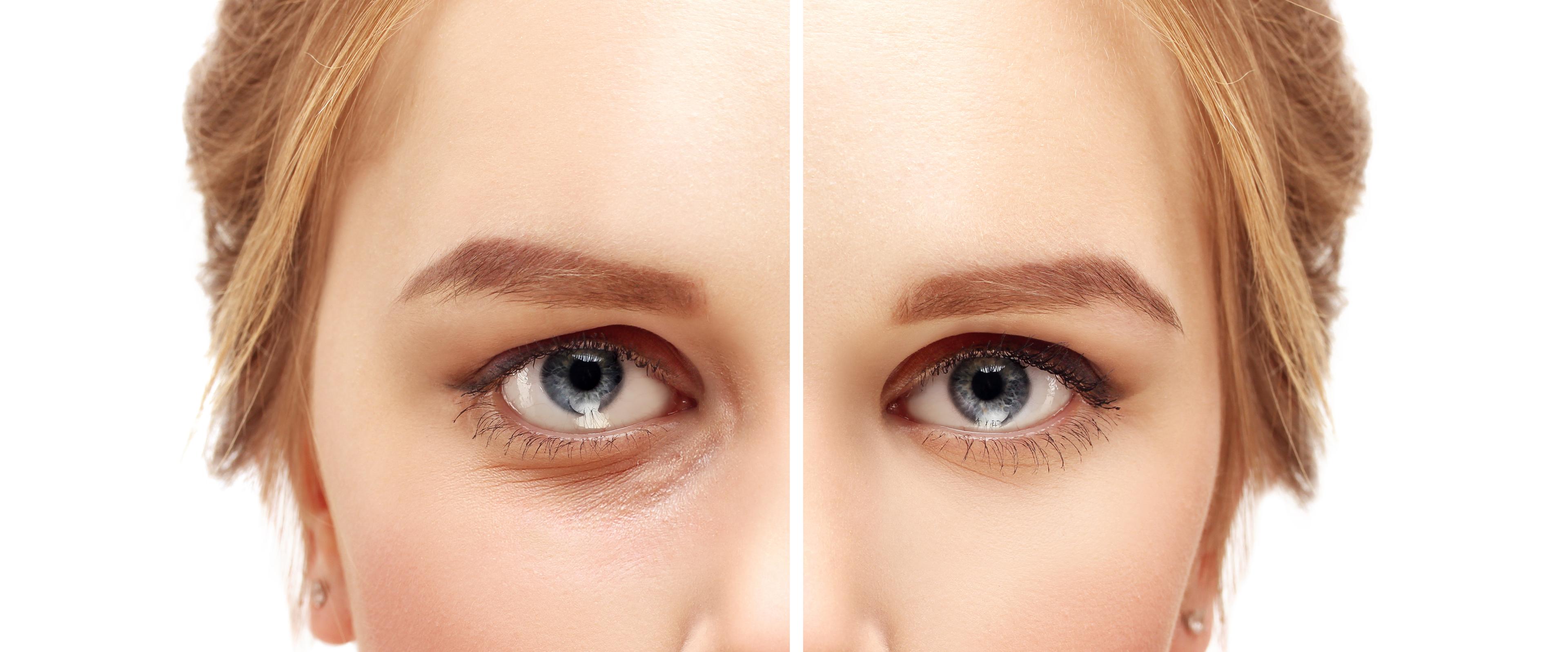
- Crepey texture or fine lines around the lower eyelids
- Uneven surface texture and selected sun-related changes
- Early loss of skin firmness
- Selected cheek, jawline or neck skin concerns
- A desire for more meaningful resurfacing than a light facial treatment can provide
The treatment does not remove excess skin or reposition deeper facial tissues. Pronounced jowling, neck laxity, heavy tissue descent or deep structural folds may require a surgical or multimodality approach.
Ablative and Subablative Treatment
Ablative laser energy creates a controlled injury at the skin’s surface, prompting healing and renewal. Subablative or lower-intensity treatment delivers heat with less surface removal. Combining treatment depths may allow Dr. Capuano to address more than one layer or concern in the same personalized plan.
The exact technology, settings, number of passes and treatment pattern are selected for the individual. A more aggressive treatment may create a more involved recovery and a different risk profile than a light resurfacing procedure.
Laser Lift Versus Facelift
A Laser Lift and a surgical facelift address different parts of facial aging. Laser treatment focuses primarily on skin quality, fine lines and a limited tightening response. A facelift repositions deeper facial and neck tissues and removes or redistributes excess skin.
Some patients are best served by laser treatment, some by surgery and some by a carefully sequenced combination. Choosing a less invasive option does not automatically make it the more effective option for every concern.
Laser Lift Versus Fillers and Neuromodulators
Neuromodulators such as Botox reduce selected expression-related muscle activity. Fillers add or restore volume. Laser treatment changes the skin through controlled energy and healing. These treatments are not interchangeable.
A combined plan may be appropriate when concerns exist at more than one level, but more treatment is not automatically better. Dr. Capuano recommends only the modalities that fit the patient’s anatomy, skin and goals.
Who May Be a Candidate?
A potential candidate is generally healthy, has realistic expectations, can follow wound-care and sun-avoidance instructions and understands the required downtime. The consultation should include skin type and tone, prior laser treatments, medications, scarring history, cold sores, active skin conditions and the patient’s typical response to inflammation.
Treatment may need to be postponed or modified for an active infection, open skin, uncontrolled medical condition, recent tanning or another factor that increases risk. Patients with darker skin tones can be treated with lasers, but some types and intensities carry a greater risk of post-inflammatory pigment change. The plan must be selected carefully.
What Treatment and Early Healing May Feel Like
Comfort measures and anesthesia depend on the intensity and area treated. During early healing, patients may experience warmth, stinging, swelling, redness, crusting, peeling, sensitivity or temporary darkening or lightening of the treated skin.
The treated area may require gentle cleansing, ointment or another protective regimen. Makeup and regular skincare should not be resumed until the team confirms that the surface has healed sufficiently. Patients should not pick, scrub or apply unapproved products to healing skin.
Downtime and Sun Protection
There is no single Laser Lift recovery time. A focused or lighter treatment may heal more quickly than an aggressive full-face session. Visible redness can last longer than the period of initial peeling or crusting, and final skin changes develop gradually.
Strict sun protection is essential after resurfacing because healing skin is more vulnerable to burns and irregular pigmentation. Patients should follow the practice’s instructions regarding shade, hats, sunscreen and the timing of outdoor activity. Tanning should be avoided.
Risks and Realistic Expectations
Potential risks include prolonged redness, swelling, infection, cold-sore reactivation, acne or milia, delayed healing, burns, visible vessels, scarring, texture irregularity and temporary or permanent darkening or lightening of the skin. Eye protection is required when treatment is performed near the eyes.
Results vary with the condition treated, laser settings, aftercare and individual healing. A Laser Lift does not stop aging, and more than one treatment or complementary care may be recommended. No outcome or duration can be guaranteed.
Requesting a Laser Lift Consultation
During consultation, Dr. Capuano examines both the skin and the deeper facial structures. Patients should be prepared to discuss prior cosmetic treatments, medications, skin reactions, cold sores, upcoming travel or events and the amount of downtime they can realistically accommodate.